


Material Selection in Roll Forming
Material Selection in Roll Forming
Material selection is one of the most critical decisions in any roll forming project. In addition to affecting your final product’s strength and appearance, the metal you choose will also affect how efficiently it can be manufactured and how long it will perform in the field. The right choice can mean lower costs, fewer secondary operations, and a more reliable component.
At Premier Products of Racine, we offer roll forming of custom components using a variety of materials. Our proprietary roll forming techniques can handle even difficult-to-roll materials while minimizing production costs. Learn about the common roll forming materials, their properties, factors in material selection, and more.
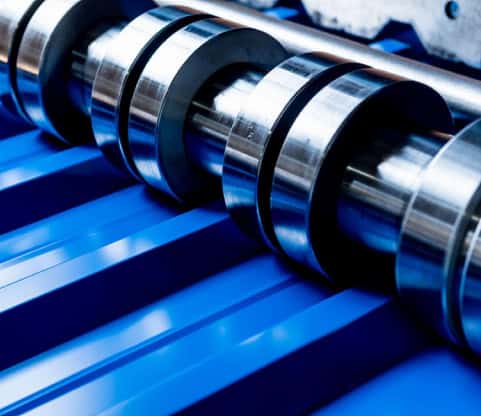
Why Material Choice Matters
Every roll-formed component begins with a coil of metal, but not every metal behaves the same way once it enters the forming mill. The chosen roll forming material varies in how easily it can be shaped, how well it withstands stress, and how it performs over the long term. In industries like aerospace or automotive that have strict precision and safety requirements, material selection directly affects structural integrity, weight reduction, and compliance with performance standards.
Choosing the correct forming material early in the design process helps minimize rework, ensures compatibility with tooling, and allows for tighter tolerances during production. This proactive approach also reduces waste, improves energy efficiency, and contributes to more sustainable manufacturing practices.
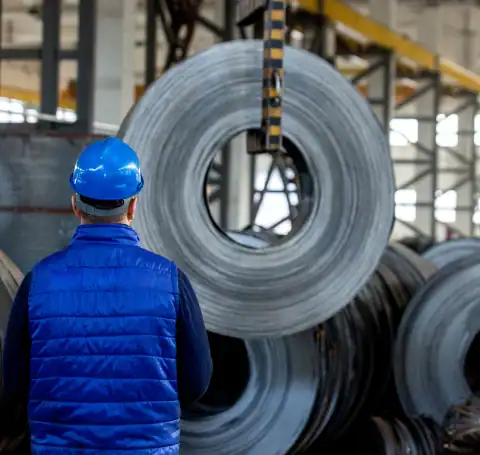
Common Metals Used in Roll Forming
Roll forming supports a wide range of ferrous and non-ferrous metals. Each material is suited to specific mechanical and environmental conditions. Understanding the unique advantages of these roll forming materials can help engineers match them to specific design goals and operational demands.
The most common roll forming materials include:
Steel.
This is by far the most widely used metal in roll forming thanks to its versatility, strength, and cost-effectiveness. Available in hot-rolled, cold-rolled, and galvanized forms, steel offers excellent structural support and can be easily coated or finished.

Stainless steel.
Well known for its corrosion resistance and aesthetic appeal, stainless steel is a good option for applications that will be exposed to moisture, chemicals, or high temperatures. It’s commonly used in automotive trim, construction products, and industrial enclosures.

Aluminum.
Lightweight yet durable, aluminum is another popular option that provides excellent corrosion resistance. Roll forming aluminum is preferred for aerospace and transportation applications. Its ability to reduce overall weight without compromising strength makes aluminum a leading choice for fuel efficiency and performance.

Copper and brass.
Copper and brass offer excellent conductivity and visual appeal. Engineers often choose copper and brass for architectural, electrical, or decorative components.


Factors Influencing Material Selection
Consider the following critical factors to confirm that the metal you select meets your design expectations and performs reliably throughout your product’s lifecycle:
Product function.
Will the part bear a structural load, provide surface protection, or serve as a decorative element?

Environmental conditions.
Exposure to moisture, salt, chemicals, or temperature fluctuations will determine whether you need corrosion-resistant alloys or protective coatings.

Forming characteristics.
Ductility, yield strength, and elasticity influence how a material behaves during forming. Metals that are too hard can crack or distort, while softer materials may require additional support during shaping.

Joining and assembly.
Do you need the material to be compatible with welding, riveting, or adhesive bonding?

Material Properties: Strength, Weight, and Corrosion Resistance
The performance of a roll-formed product depends heavily on three core material properties: strength, weight, and corrosion resistance.
Engineers need to carefully weigh these properties to design products that meet both performance and operational goals, whether the focus is on optimizing strength-to-weight ratio, minimizing corrosion, or maximizing formability.
Let’s take a closer look at each:

Strength.
High-strength materials, such as advanced steels and certain aluminum alloys, are essential for load-bearing structures. Their ability to withstand stress and deformation makes them ideal for automotive frames, construction supports, and aerospace components.

Weight.
Lightweight materials are increasingly in demand as manufacturers seek to improve fuel efficiency and reduce shipping costs. Aluminum, for example, offers one-third the density of steel, making it a top choice in transportation and aerospace applications without sacrificing durability.

Corrosion resistance.
Untreated metals can degrade quickly with environmental exposure. Stainless steel, aluminum, and galvanized coatings provide long-term protection against rust and oxidation, extending the product’s lifespan and minimizing maintenance.
Impact of Material Choice on Cost and Manufacturing Efficiency
A forming material’s initial cost is only one part of the equation. Formability, machinability, and post-processing needs all contribute to the total cost of ownership.
For instance, while stainless steel is more expensive per pound than carbon steel, its superior corrosion resistance could eliminate the need for painting or plating. Similarly, aluminum’s light weight can lower shipping costs and simplify handling, offsetting higher raw material prices.
Manufacturing efficiency improves when the selected metal performs well in the roll forming process. Materials that maintain consistent thickness and grain structure reduce downtime, tooling wear, and scrap rates. Engineers who consider these factors early can achieve cost savings without compromising product performance.
Additionally, sustainability and supply chain availability are becoming key concerns. Choosing recyclable materials such as steel and aluminum not only supports environmental goals but also ensures a stable, long-term supply for production.

Best Practices for Choosing Materials
Successful roll forming projects start with a clear understanding of how material choice affects performance, manufacturability, and cost. Engineers should:
● Evaluate mechanical requirements alongside environmental conditions.
● Consider both immediate and long-term costs, including finishing and ongoing maintenance.
● Work closely with material suppliers and forming specialists early in the design phase.
● Select alloys that balance strength, formability, and corrosion resistance for their intended application.
At Premier Products of Racine, we provide hands-on engineering support to help clients navigate these choices. Our team evaluates material behavior, production goals, and end-use requirements to recommend the best alloy for every project.
Contact Us
GET Contact us to speak with a team member about our roll-forming materials, or request a quote for your project.


